Leake Street Rubbish Removal After Street Events: A Practical Guide for Fast, Respectful Clean-Up
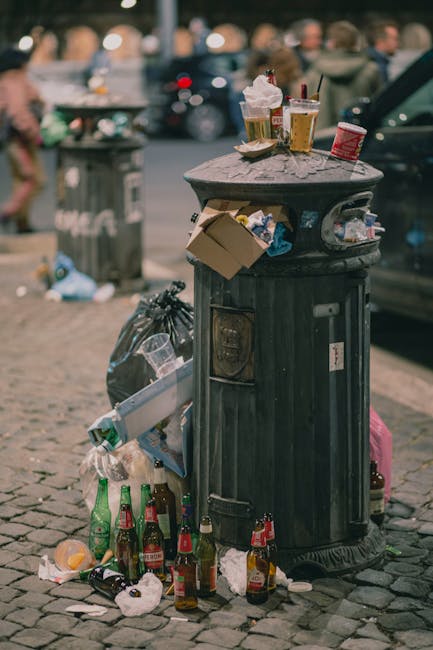
Leake Street has a very particular energy. One minute it is full of colour, sound and movement; the next, it can be littered with cups, cable ties, packaging, broken displays, damp posters and the general leftovers that come with a busy street event. Leake Street rubbish removal after street events is not just about making the place look tidy again. It is about restoring access, keeping people safe, protecting nearby businesses, and handling waste in a way that feels organised rather than rushed.
If you have ever helped clear up after a pop-up performance, an art takeover, a community gathering, or a branded activation, you will know the feeling: the event goes brilliantly, but the aftermath can be surprisingly messy. This guide walks through how post-event rubbish removal works, what to expect, the common headaches, and how to plan a cleaner, calmer finish. It is written for organisers, venue teams, contractors and anyone who has ever looked at a pavement at 10pm and thought, "Right then, where do we even start?"
Expert summary: the best post-event clear-up is planned before the last visitor leaves. Separate waste early, choose the right removal method, and make sure access, safety and recycling are handled in one go rather than as an afterthought.
Why Leake Street rubbish removal after street events Matters
Street events leave a different kind of waste stream compared with a standard indoor venue. You are dealing with a mix of light litter, bulky items, packaging, temporary fittings, signage, food waste, and sometimes awkward material from stalls or installations. On Leake Street, that matters even more because the environment is tight, highly visible, and often busy with pedestrians, cyclists and nearby traffic. A slow or sloppy clear-up is obvious very quickly.
There is also a reputational side to this. Event organisers rarely want the street to feel abandoned or half-finished at dawn. A clean exit says a lot. It shows you have taken responsibility, respected the location, and understood that event waste is part of the event itself, not something to "sort later". To be fair, later usually turns into expensive.
In practical terms, poor removal can create trip hazards, block access routes, attract complaints, and make reinstatement harder for the next users of the space. It can also create a recycling problem. Once different materials are mixed together, it becomes much harder to recover useful waste streams cleanly.
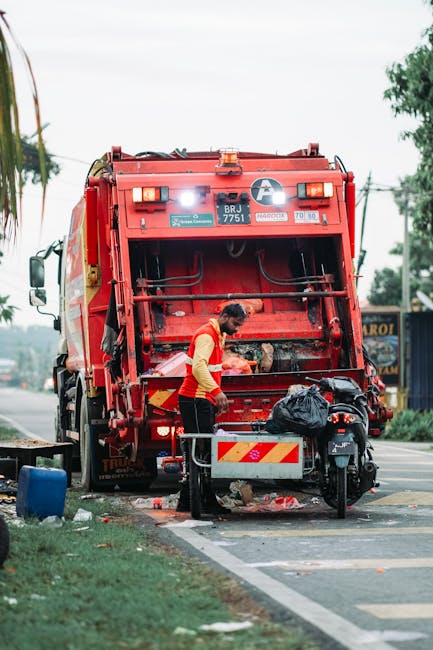
If your event includes staging, temporary barriers or larger items, you may also need support that goes beyond simple litter picking. In those cases, services such as professional rubbish removal, waste recycling services, or even grab hire services can help keep the job organised rather than improvised.
How Leake Street rubbish removal after street events Works
The process is usually simpler than people expect, but the details matter. In most cases, post-event rubbish removal starts with a quick site assessment. What needs collecting? How much of it is loose litter? Is there bulky waste? Can a vehicle park nearby? Are there access limits, time restrictions or permit issues to consider?
From there, the work is normally split into stages. Small waste is bagged and removed first. Then heavier, bulkier or more awkward items are moved separately. If there are mixed materials, they may be sorted on site so recyclable items do not get contaminated. When space is tight, a wait-and-load approach can be useful because it avoids leaving a skip in place for long periods. If that sounds like your setup, it may be worth looking at wait and load skip hire or the broader skip hire options available.
For larger events, a team often works in a sweep: first the obvious litter, then the surface clutter, then the heavier materials, then the final detail clean. It sounds almost too neat on paper. In reality there is usually one awkward pallet, one wet cardboard pile, and one forgotten sign that takes more time than the rest combined.
If the event generated materials like staging timber, fencing offcuts or decorated structures, support from builders waste removal or construction waste disposal may be more appropriate than a general litter-only service. That distinction matters because the wrong collection method can slow everything down and make pricing harder to predict.
What typically happens on the day
- A short inspection of the area and the waste volume
- Sorting of general rubbish, recyclable material and bulky waste
- Loading into the right vehicle or container
- Sweeping or final surface clear-up where needed
- Responsible transfer to recycling or disposal facilities
Key Benefits and Practical Advantages
Good rubbish removal after a street event does more than make the scene look nice in photographs. It helps the whole event cycle finish properly. That sounds obvious, but it is often missed.
Cleaner handover: if the street or immediate event area needs to be handed back quickly, an efficient removal plan reduces stress and avoids awkward delays.
Better public safety: broken packaging, loose cables, bottle tops, sharp edging and wet waste can all create hazards when a crowd has been moving through the space. A clean finish lowers that risk.
Improved recycling potential: separating cardboard, plastics, wood and metals early can make a genuine difference to the amount of waste that is recovered. Services focused on recycling and sustainability are especially relevant here.
Less disruption to neighbours: the quicker the site is cleared, the less likely it is that nearby businesses, residents or road users are affected by noise, mess or blocked access.
More professional event delivery: a clean aftermath sends a simple message: the event was handled properly from start to finish.
There is also a hidden benefit. When waste is removed in a structured way, you can see what was actually used. That helps with future planning, because you stop over-ordering the wrong consumables and start learning what the event really produces. Handy, really.
Who This Is For and When It Makes Sense
Leake Street rubbish removal after street events is relevant to a wide range of people. The obvious group is event organisers, but the need often comes from somewhere else entirely. A brand team, a street art curator, a venue manager, a production company, or a local contractor may all be responsible for the same aftermath.
You may need support if you are:
- running a one-off street event or pop-up activation
- managing a regular arts, culture or community programme
- responsible for closing down after a launch, performance or installation
- dealing with waste from temporary structures, signage or display materials
- working to a tight turnaround before the area is used again
- trying to reduce the burden on in-house staff
It also makes sense when the event waste is more awkward than ordinary litter. For example, a music setup may leave cable covers, packaging and damaged promotional material. A street art event may generate paint tins, protective sheeting and discarded boards. A food-heavy gathering may leave mixed waste that needs separating quickly before it becomes unpleasant.
If you are dealing with items that are bulky, confidential, or awkwardly shaped, different services may be more suitable. For instance, office-based event operations sometimes also require confidential shredding, while event furniture or display units may call for man and van support. The point is simple: match the method to the mess.
Step-by-Step Guidance
Here is the practical version. If you are planning Leake Street rubbish removal after street events, this is a solid working sequence.
- Walk the site as the event winds down. Identify the heaviest waste, the most urgent hazards, and any items that need special handling.
- Separate waste by type. Keep general rubbish, recyclable material, wood, metal, cardboard and food waste apart where possible. Even basic separation helps.
- Check access and timing. Can a vehicle stop nearby? Is there enough room for loading? Do you need to work in a short window?
- Choose the right removal method. For smaller volumes, direct rubbish removal may be enough. For larger loads, consider a skip or grab-based solution.
- Collect bulky items first. Clear anything that blocks movement, creates risk or takes up the most space.
- Remove loose litter and small debris. Bag it properly so the area can be finished cleanly.
- Do a final sweep. Look for bottle tops, fixings, tape, damaged posters and the tiny things everyone misses at first glance.
- Document what was taken. Keep a simple record for your own planning, invoicing or waste management notes.
If your event has a strong construction or installation element, a service such as site clearance can be more efficient than piecing together several smaller removals. And if the waste can be loaded quickly and taken away in one pass, grab lorry hire is often worth considering.
One small but useful tip: leave a person on site for the final 10 minutes. Not to micromanage. Just to spot the things everyone else has gone "yep, done" on. That last walk-through catches more than you would expect.
Expert Tips for Better Results
Small changes can make a big difference to how smooth the job feels. In our experience, the best clean-ups are the ones where the waste plan is built into the event plan, not added later like an extra chore.
Tip 1: Use bins strategically during the event. If waste is collected in the right places, the end-of-night clear-up is lighter and quicker. It sounds basic, because it is. Basic things are often the ones that save the day.
Tip 2: Keep wet waste separate where possible. Once food waste, drinks and paper mix together, the whole load can become unpleasant fast. Separate bagging helps reduce smell and leakage.
Tip 3: Choose a collection method that suits the street. On a tight or highly visible road, a short-stay option may be more practical than leaving a container in place. If that sounds familiar, have a look at same day skip hire or enclosed and lockable skip hire depending on the site and the level of control you need.
Tip 4: Think about noise and neighbours. Early-morning metal clanging, reversing vehicles and bin dragging can frustrate nearby businesses or residents. A careful schedule avoids a lot of unnecessary friction.
Tip 5: Build in a contingency. Street events always produce one surprise. Usually it is more waste than planned, or a bulky item that was not on the list. A little spare capacity saves a late scramble.
Tip 6: Ask about recycling before the event ends. If the waste contractor can advise in advance, you can keep cleaner materials separate and improve recovery rates without much extra effort.
A final one, and this may sound obvious: do not leave the clean-up to the same people who are already exhausted from running the event. They can do it, yes. But should they? Usually not.
Common Mistakes to Avoid
Most clean-up problems are predictable. The tricky part is that they are easy to ignore when everyone is tired and the event has gone well.
- Leaving waste sorting until the end: by then, everything is mixed and slower to handle.
- Underestimating bulky waste: one stage panel or half-dismantled display can change the whole job.
- Choosing the wrong service type: general rubbish removal is not always enough for event structures or heavy waste.
- Ignoring access issues: a narrow street or busy finish time can cause delays if you do not plan loading carefully.
- Forgetting about permits or placement rules: if a container or vehicle needs to occupy space, check the requirements in advance.
- Assuming everything can go together: some waste streams need separate handling for safety or recycling reasons.
- Skipping the final inspection: this is how small sharp items get left behind. Annoying, and avoidable.
Another common slip is trying to save money by choosing the cheapest-looking option without checking what is included. That can backfire if loading, disposal, labour or access complications are not clear from the start. A better question is: what will make the clean-up simple, compliant and finished on time?
Tools, Resources and Recommendations
You do not need a warehouse of specialist kit to manage post-event waste well, but a few basics help enormously. Heavy-duty bin bags, gloves, sweeping tools, dustpans, reusable crates, tie wraps, tape cutters and clear signage are often enough for the site team. For larger jobs, a vehicle or container choice matters more than people realise.
If the event produces a mixed waste stream, having a simple sort area can save time. Mark it clearly. Cardboard here, general waste there, anything sharp or awkward in a separate pile. It is not glamorous. It works.
For event organisers looking at broader disposal options, these related pages may help you compare approaches:
- skip sizes and prices for planning load capacity
- what can go in a skip for basic waste acceptance guidance
- book online when you need to organise the next step quickly
- pricing and quotes if you want a clearer commercial comparison
Where the waste is mostly household-style litter and light clutter, rubbish removal is often the cleanest fit. Where the job has a heavier or more operational feel, commercial skip hire may work better. There is no prize for forcing one method to do everything.
Law, Compliance, Standards, or Best Practice
Any waste created by an event should be handled carefully and responsibly. In the UK, duty-of-care principles apply to waste handling, which in plain English means you should know what has been removed, where it is going, and who is handling it. You do not need to turn the clean-up into a legal seminar, but you do need a sensible process.
Best practice usually includes using a licensed waste carrier, keeping records where appropriate, and separating waste types so recycling is possible where practical. Some items require extra care. That includes anything potentially hazardous, sharp, contaminated or otherwise unsuitable for ordinary mixed waste handling. If you are unsure, it is safer to ask before loading than to sort it out later.
For events, health and safety matters as much as disposal. Wet pavements, broken glass, trailing cables and blocked exits can all create issues during the breakdown stage. A methodical approach helps protect staff and the public. If you are formalising your event process, it is worth reading a provider's health and safety policy and insurance and safety information so you understand how risk is managed in practice.
Some sites may also require a permit if a skip or vehicle has to be positioned on the road. If that is part of your setup, it is wise to check skip hire permits or skip permits early, rather than assuming it can be arranged on the fly. Street environments have enough moving parts already.
Options, Methods, or Comparison Table
There is no single best method for every Leake Street event clean-up. The right choice depends on volume, timing, access and the type of waste involved. Here is a straightforward comparison.
| Method | Best for | Strengths | Watch-outs |
|---|---|---|---|
| Direct rubbish removal | Light to medium event litter | Quick, simple, flexible | Less ideal for very bulky loads |
| Skip hire | Mixed waste with a steady load | Good capacity, straightforward staging | Needs space and may need a permit |
| Wait and load | Tight streets or short access windows | No long on-street placement | Needs the waste ready when the vehicle arrives |
| Grab lorry hire | Bulky or loose waste in larger volumes | Fast loading, efficient for heavier clearances | Requires enough access for the vehicle |
If the event has a more commercial or operational feel, commercial skip hire is often a practical middle ground. For quick-turnaround jobs where keeping the street clear matters more than storage, wait and load skip hire can be a cleaner fit. And when the waste includes construction-type material from temporary builds or installations, builders skip hire may suit the task better.
Case Study or Real-World Example
Imagine a small evening event on Leake Street: a live mural reveal, food and drinks, a few temporary branded panels, and a compact performance set-up. Everything goes smoothly. By 9:30pm the music has ended, visitors have left, and the pavement looks harmless enough at first glance.
Then you step in close and notice the real picture: cardboard sleeves from drinks cups, damp napkins, torn packaging, cable ties, rolled vinyl, a couple of broken display battens, and paint-splashed protective sheeting. Nothing dramatic. Just enough to become annoying if left until the morning.
The clean-up team starts with the bulky items, because those block movement. Then they bag the soft waste, separate the cardboard, and load the light timber separately so it can be handled more appropriately. A final sweep picks up the small stuff that tends to hide in corners, especially under temporary barriers where the street light does not quite reach.
The result is not just a tidy finish. The event space is handed back quickly, the street feels respected, and the organisers are not still thinking about rubbish the next day. That mental reset matters more than people admit. It is the difference between "job done" and "job still hanging over us".
Practical Checklist
Use this checklist before and after your event clean-up. Keep it simple.
- Confirm the expected waste types before the event starts
- Decide whether you need rubbish removal, skip hire, wait and load, or grab hire
- Check access points, vehicle stopping space and timing
- Set up separate areas for general waste, recyclables and bulky items
- Make sure staff know what can and cannot be mixed
- Arrange permits early if a skip or vehicle will occupy road space
- Keep gloves, bags, sweepers and basic kit ready for the breakdown
- Do a final walk-through before handing the site back
- Record any unusual waste or issues for future events
- Review what worked so the next clean-up is easier
A quick note: if you are dealing with household-style leftovers from a community event, domestic skip hire may occasionally be appropriate for smaller local jobs. If the event has furniture, fixtures or broken items mixed in, house clearance or office clearance style services may be worth comparing, even if the setting is different. Sometimes the closest fit is not the most obvious one.
Conclusion
Leake Street rubbish removal after street events works best when it is treated as part of event planning, not as a rushed clean-up task at the end. The street's character, access constraints and public visibility all make a structured approach worthwhile. If you separate waste early, choose the right removal method, and plan for the final sweep, the whole process becomes calmer and far more manageable.
The bigger win, honestly, is not just tidiness. It is the sense that the event was handled properly from first setup to final handover. That is what people notice, even if they do not say it out loud. And it makes the next event easier too, which is no small thing.
Get a free quote today and see how much you can save.
Frequently Asked Questions
What is Leake Street rubbish removal after street events?
It is the collection and disposal of waste left behind after events held on or around Leake Street, including litter, packaging, temporary materials, and bulky items. The aim is to restore the area quickly and responsibly.
How soon should rubbish be removed after a street event?
As soon as practical after the event finishes. In busy public spaces, fast removal reduces hazards, avoids complaints and makes handover much easier. Late-night or early-morning collections are often the most practical.
What kind of waste is usually left after a Leake Street event?
Common items include cups, food waste, cardboard, tape, signage, cable ties, display materials, protective sheeting and sometimes broken timber or staging pieces. The mix depends on the event type.
Is skip hire better than rubbish removal for street events?
It depends on the volume and access. Rubbish removal suits lighter, faster collections. Skip hire can be better for mixed or bulkier waste if there is room and the timing works. For tight access, wait and load can be a smarter choice.
Do I need a permit for post-event waste collection?
You may need one if a skip or vehicle will occupy public highway space. The exact requirement depends on placement and timing, so check this early rather than assuming it will be fine.
Can recyclables be separated during event clean-up?
Yes, and that is usually the best approach. Keeping cardboard, plastics, wood and metals separate where possible makes recycling easier and avoids contaminating recoverable material.
What should I do with bulky items like staging or display boards?
Bulky items should be identified early and removed using a suitable service. Depending on the material and volume, builders waste removal, grab hire or site clearance may be more efficient than standard rubbish collection.
How do I keep the clean-up safe for staff?
Use gloves, clear walkways, remove sharp or unstable items first, and avoid lifting loads that are too heavy for one person. A final sweep for glass, fixings and loose debris is also a good habit.
Can street event waste be collected at night?
Often yes, and it can be the best option where daytime access is difficult. Night-time or early-morning collections can reduce disruption, though you still need to plan for lighting, access and neighbour impact.
How do I know which service is right for my event?
Start with three questions: how much waste do you have, what type is it, and how easy is it to access the site? That usually points you toward rubbish removal, skip hire, grab hire or wait and load. If you are unsure, a short site assessment helps.
What happens if the waste is mixed and messy?
Mixed waste can still be removed, but it may reduce recycling opportunities and make loading slower. If possible, separate materials before collection. If not, a good contractor will still help you clear the site in a practical way.
Why is post-event clean-up so important on Leake Street specifically?
Because the street is highly visible, relatively constrained, and often busy with people moving through it. A tidy, efficient clean-up protects safety, preserves the area's character and leaves a better impression on everyone who passes through.
Where can I find more information about waste handling and booking?
Useful starting points include what can go in a skip, pricing and quotes, and contact us if you want to discuss the event setup and the best collection method.
Sometimes the smallest detail makes the biggest difference. A little planning here saves a lot of scrambling later, and that's usually the part everyone remembers.