Lower Marsh market rubbish removal and recycling options
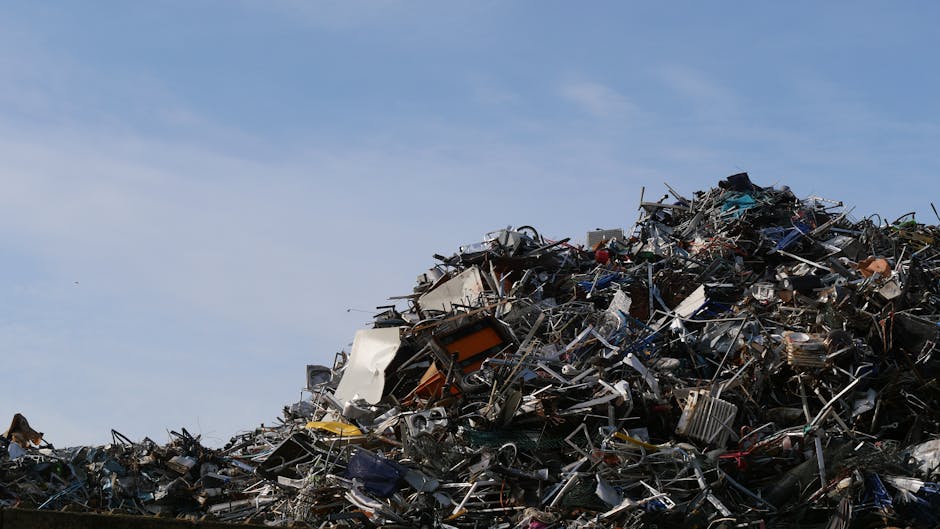
If you've ever stood at Lower Marsh market just after the last stall closes, you'll know the scene: cardboard collapsing into damp piles, fruit crates stacked awkwardly, mixed packaging blowing along the pavement, and the odd broken bit of kit that somehow ends up under a table. It's lively during the day, then suddenly it's a different job entirely. That is where Lower Marsh market rubbish removal and recycling options matter. Done well, waste clears quickly, recyclables are separated properly, and the market feels ready for the next trading day without creating avoidable mess or stress.
This guide breaks down the practical side of managing market waste in a busy London setting. You'll find the best disposal methods, what can usually be recycled, where the common traps are, and how to choose a collection approach that fits the pace of the market. No waffle. Just the stuff that helps.
Why Lower Marsh market rubbish removal and recycling options Matters
Lower Marsh is not the kind of place where waste can sit around for long. Market trade depends on first impressions, clean access routes, and keeping the public moving safely between stalls, shops, and station footfall. A few misplaced bags or overflowing bins can quickly make the whole space feel untidy. Worse, mixed waste can attract pests, create odour, and make recycling much harder than it needs to be.
For traders, the issue is also commercial. Good waste handling reduces clutter behind stalls, keeps pitch areas safer, and makes breakdown quicker at the end of the day. For market managers and nearby businesses, it supports a cleaner frontage and fewer complaints from residents or visitors. Truth be told, nobody wants to start the morning by wrestling with soggy cardboard that should have been separated yesterday.
Recycling is part of this too. Market waste often includes more recoverable material than people think: cardboard, clean plastic film, wooden crates, metal fixtures, and some food-related packaging may all be suitable for sorting, depending on contamination. If you manage the waste stream properly, you may reduce the amount that goes for general disposal and improve the overall efficiency of the clear-up.
If you also deal with mixed commercial waste beyond the market itself, it can help to look at broader options such as commercial skip hire and waste recycling services so you can match collection methods to the volume and type of material involved.
How Lower Marsh market rubbish removal and recycling options Works
In practice, market waste management usually starts with separation at source. That simply means sorting rubbish into the right stream as early as possible instead of piling everything into one bag and hoping for the best. A bit of planning here saves a surprising amount of time later.
The basic workflow usually looks like this:
- Sort what you can as the market runs. Cardboard, plastics, food waste, general litter, and bulky items should not all be mixed together if you can help it.
- Use the right container for the right material. Heavy waste, light recyclables, and awkward bulky items need different handling.
- Keep contamination low. A single greasy pizza box or food-soaked cardboard box can spoil a recyclable load. Annoying, but common.
- Arrange removal at a sensible time. If access is tight, you may need a timed collection, wait-and-load, or a vehicle that can work around traffic and pedestrians.
- Send recyclable material to the right outlet. Recovery is only useful if the material can actually be processed properly.
For many traders, the most practical solution is a mix of quick collection and recycling-focused disposal. That might mean a vehicle that can load waste directly, a small skip for cardboard and mixed dry waste, or a more flexible arrangement for busy periods. If access is restricted around Lower Marsh, options like wait and load skip hire or rubbish removal can be especially useful because they reduce the time waste sits on site.
And if your waste includes larger, heavier items from fit-outs or stall changes, you may also want to compare grab hire services with a more traditional skip approach. Different jobs, different tools. Simple as that.
Key Benefits and Practical Advantages
The best waste plan is not just about getting rid of rubbish. It makes the whole market easier to run. A tidy back-of-stall area, fewer trip hazards, and less mess around loading points can make a noticeable difference on a busy trading day.
- Cleaner trading spaces: waste does not build up behind stalls or around customer routes.
- Better recycling rates: separating cardboard, wood, metal, and plastics early improves recovery potential.
- Safer operations: fewer loose bags, broken packaging, and awkward piles reduce slips and obstruction risks.
- Faster close-down: when everyone knows where waste goes, pack-up becomes less chaotic.
- Less disruption: the right collection method keeps your team moving rather than waiting around.
- More professional appearance: customers notice tidiness, even if they do not say anything.
There is also a cost-control angle. The more cleanly you separate recyclable material, the less unnecessary mixed waste you may have to handle. To be fair, not every site can be perfectly separated every time. But even a modest improvement can make a difference when the market is busy and bins are filling faster than expected.
For recurring waste streams, it's worth looking at the collection method alongside the material type. For example, skip hire can work well for steady volumes, while man and van style clearance suits smaller, more irregular jobs. If you are dealing with heavy building-related debris during a stall refurbishment, builders waste removal may be the more sensible route.
Who This Is For and When It Makes Sense
This topic matters to a wider group than just market stallholders. Lower Marsh market rubbish removal and recycling options are relevant to anyone responsible for keeping a trading space clear, compliant, and usable.
- Food traders who generate packaging, prep waste, and disposable service items.
- Retail traders dealing with cardboard, wrapping, displays, and broken stock packaging.
- Event or temporary stall operators who need quick turnarounds between trading periods.
- Market managers looking after shared waste arrangements and public-facing cleanliness.
- Nearby businesses with spillover waste from deliveries, fit-outs, or clear-outs.
- Contractors handling refurbishments, repairs, or site changes around the market area.
It makes sense to plan proper waste support when one or more of these apply:
- you regularly fill more than a few sacks of waste in a trading day;
- your waste includes a lot of recyclable cardboard or packaging;
- you have limited vehicle access or awkward loading times;
- you need a cleaner, faster end-of-day clear-up;
- you are dealing with bulky items, display materials, or mixed commercial waste;
- your team is spending too long managing rubbish instead of trading.
There is no single right answer, which is a bit annoying, but true. The best option depends on space, timing, waste type, and how often the waste appears. A stall that mostly produces cardboard may need a different setup from one that handles food waste and broken packing materials every day.
Step-by-Step Guidance
If you want a waste system that actually works at Lower Marsh, start with the practical basics. Small steps first. Then build from there.
- Identify the waste streams. List what you throw away in a normal trading day: cardboard, film plastic, food waste, mixed packaging, broken items, and any bulky material.
- Separate recyclable material early. Put clean cardboard and dry recyclables into dedicated containers. If it gets greasy or food-soiled, treat it differently.
- Choose a collection method that fits access. If vehicles cannot stay long, a fast collection may suit better than a skip left on site.
- Plan the timing around peak trade. Early morning and end-of-day windows are often easiest. Around 8am on a busy day, every minute counts.
- Check what is allowed. If you are unsure about a material, look at what can go in a skip and separate restricted items early.
- Keep hazardous or specialist items apart. Things like chemicals, batteries, aerosols, or certain electrical items need separate handling. Do not toss them into general waste and hope for the best.
- Review after the first few collections. If containers are filling too quickly, or recyclables are getting contaminated, adjust the setup.
A practical tip: give each waste point a very clear label. Not fancy labels. Just clear enough that a rushed person at 5:30pm can tell the difference instantly. That alone can improve sorting more than a long memo ever will.
If secure storage matters because waste is being left briefly before collection, enclosed and lockable skip hire may be useful. And if you need something cleared quickly without lingering on the pavement, a timed wait and load skip hire arrangement can be a better fit.
Expert Tips for Better Results
In our experience, the difference between a chaotic waste setup and a decent one usually comes down to consistency. Not glamour. Consistency.
- Keep cardboard dry. Wet cardboard is heavier, messier, and much harder to recycle cleanly.
- Flatten everything you reasonably can. Boxes and packaging take up less space and are easier to handle.
- Place containers near the point of waste generation. If someone has to walk half the site to bin something, they often won't.
- Train temporary staff quickly. A 60-second "this goes here, that goes there" briefing helps more than you'd think.
- Keep a separate area for odd items. One-off bulky or restricted materials should not contaminate the main recycling stream.
- Use a collection method that matches your space. Tight site? Go for flexibility. More room? A skip may work well.
Another quiet win is ordering the right container size. Oversizing wastes money. Undersizing creates overflow and mess. If you are not sure where to start, a quick look at skip sizes and prices can help you compare options without guessing.
And here's a small one, but it matters: if you deal with a lot of confidential paper or documents alongside market admin, office clean-outs, or back-office stock records, keep those separate and consider confidential shredding. Once paper goes into the wrong pile, the neat system is gone. Just like that.
Common Mistakes to Avoid
Most waste problems at busy markets are not dramatic. They are small, repeated mistakes that slowly create bigger ones. A few to watch for:
- Mixing recyclables with food waste. This is the classic one. Clean cardboard becomes useless once it's soaked or contaminated.
- Leaving collections too late. By the time the waste build-up becomes obvious, access may already be harder.
- Ignoring bulky items. Crates, fixtures, and broken display materials tend to be awkward at the worst possible moment.
- Using the wrong disposal route for the material. Not every item belongs in a general skip.
- Forgetting access restrictions. Tight streets, pedestrian flow, and loading windows matter. A lot.
- Not planning for seasonal peaks. Busy weekends, events, and holidays can double the waste load without warning.
It's easy to assume the "obvious" solution will work every time. Sometimes it will. Sometimes you need a different setup because the market is busier, the weather is worse, or the collection point is simply awkward. Happens all the time.
For larger clear-outs, do not overlook specialist options. A broken fridge, for example, should be handled separately through fridge and appliance removal rather than being left to chance. Likewise, if you are clearing old furniture from a stall or back office, mattress and sofa disposal can be the cleaner route.
Tools, Resources and Recommendations
You do not need a complicated system to manage market waste well. A few simple tools make a real difference.
- Clearly labelled bins or sacks for cardboard, mixed dry waste, and general rubbish.
- Basic weighing or counting habits so you know what fills fastest.
- Weatherproof storage for clean recyclables where possible.
- Simple staff instructions that show what is accepted and what is not.
- Collection notes for timing, access, and special handling needs.
From a service perspective, the most useful options tend to be the ones that match the way the market actually operates. If waste needs to be removed quickly and there is limited room for static storage, grab lorry hire can be a strong fit. If the job is a small but messy clear-up, man and van may be easier. If the waste is recurring and predictable, a managed skip hire arrangement can simplify everything.
For anyone comparing practical services more broadly, recycling and sustainability is a useful place to understand the bigger picture around recovery-focused waste handling. It helps to think beyond "get rid of it" and toward "what can be recovered properly?"
If the job involves multiple waste types, you may also need support from other related services such as house clearance, garage and loft clearance, or office clearance depending on what sits behind the market operation.
Law, Compliance, Standards, or Best Practice
Waste handling around a market should always be approached with basic UK compliance in mind. You do not need to overcomplicate it, but you do need to be careful. Duty of care matters: waste should be passed to a suitable, authorised carrier and handled responsibly. That is the standard expectation, whether the waste is from a stallholder, a manager, or a contractor working on site.
Best practice usually means:
- keeping waste separated where practical;
- avoiding contamination of recyclable loads;
- handling hazardous or restricted items separately;
- making sure collections do not create access or safety problems;
- keeping sensible records for business waste arrangements;
- following site rules and local requirements where applicable.
If your waste includes potentially hazardous materials, do not treat it like ordinary rubbish. Use a dedicated route such as hazardous waste disposal and keep the stream separate from food, packaging, and dry recyclables. That is one of those things that seems obvious later, but is easy to get wrong in a rush.
Also, if you are arranging a skip for a public-facing area, check whether permits are needed. That is where skip hire permits and skip permits become relevant. Access and placement can matter as much as the skip itself, especially in busier London locations.
Options, Methods, or Comparison Table
There are several ways to handle market waste, and the right one depends on access, volume, and how often rubbish is produced. Here's a simple comparison to make the decision easier.
| Option | Best for | Strengths | Watch-outs |
|---|---|---|---|
| Rubbish removal | Small-to-medium mixed clear-ups | Flexible, quick, less on-site clutter | May be less ideal for ongoing high-volume waste |
| Skip hire | Recurring or larger volumes | Simple to use, good for structured waste streams | Needs space and may require permits |
| Wait and load | Tight access or short loading windows | Fast, no long-term skip on site | Requires the team to be ready on time |
| Grab hire | Heavy or bulky mixed waste | Good for hard-to-handle loads and faster loading | Needs suitable access for the vehicle |
| Man and van | Smaller, irregular, or awkward removals | Handy for ad hoc jobs and local clear-outs | Not always the best choice for large steady volumes |
If the market produces a steady stream of cardboard and packaging, a dedicated recycling route is usually worth the effort. If the waste is mixed and unpredictable, flexibility becomes the priority. One size rarely fits all, which is mildly inconvenient but very true.
Case Study or Real-World Example
Imagine a food-and-retail stall setup at Lower Marsh on a busy Friday. The stallholder starts the day with clean cardboard, crate packaging, and a small amount of prep waste. By lunchtime, the waste has already changed shape: more food-soiled packaging, a few broken boxes, and some plastic wrap from fresh deliveries. By late afternoon, there's also a damaged display stand that does not belong in ordinary bins.
If everything goes into one bag, the recyclables become contaminated fast. That means more general waste, a messier close-down, and a longer clean-up. The better approach is to separate what can be recovered as the day goes on, keep the dry cardboard dry, and arrange a removal method that can deal with both routine waste and the odd bulky item.
In that kind of scenario, a mix of waste recycling services for recoverable material and rubbish removal for the mixed leftover waste can be more efficient than trying to force everything into one disposal route. If the stallholder also has a storage room full of old stock fixtures, a separate clearance visit may be the cleanest fix.
The lesson is simple: the best system is the one that mirrors the actual flow of waste, not the one that looks neat on paper.
Practical Checklist
Use this checklist before the next collection or market clean-down.
- Have you separated clean cardboard from food-soiled waste?
- Do you know which items are recyclable and which are not?
- Are bulky items kept out of normal waste sacks?
- Is collection timing aligned with market trading hours?
- Is access clear enough for the vehicle or loading team?
- Have you identified any hazardous or restricted items?
- Are containers labelled clearly for staff and temporary workers?
- Do you know whether a permit is needed for skip placement?
- Have you planned for busy periods or seasonal spikes?
- Is there a quick review process after each collection?
If you can tick most of those off, you are already ahead of many sites. Really, that is half the battle.
Conclusion
Lower Marsh market rubbish removal and recycling options are at their best when they are simple, realistic, and built around the way the market actually works. Separate waste early, choose the right collection method, keep recyclables clean, and make sure any awkward or specialist material is handled properly. That approach keeps the market tidier, supports better recycling, and makes the end-of-day routine less of a slog.
Whether you need a flexible clearance, a regular collection setup, or a more tailored waste plan for a busy trading space, the key is matching the method to the waste rather than forcing waste to fit a method. That's the bit people often miss.
Get a free quote today and see how much you can save.
And if you're still weighing up the right approach, that's perfectly normal. A good waste system is one you barely notice because it just works - quietly, reliably, and without making the rest of the day harder than it needs to be.
Frequently Asked Questions
What is the best waste option for Lower Marsh market stalls?
The best option depends on the type and amount of waste. For recurring mixed waste, skip hire may work well. For quicker clear-ups or tight access, rubbish removal or wait and load can be more practical.
Can market cardboard be recycled if it has a bit of tape on it?
Light tape is often less of a problem than food contamination, but the cleaner the cardboard, the better. Flatten it, keep it dry, and avoid mixing it with greasy or wet waste.
What should I do with broken display items or bulky stall waste?
Bulky items usually need a separate collection route. Depending on the material, grab hire, man and van, or specialist removal may be more suitable than general bin disposal.
Do I need a permit for a skip near Lower Marsh?
You may need a permit if a skip is placed on a public road or in a location that requires permission. Check the access and placement carefully before booking.
Is wait and load better than leaving a skip on site?
It can be, especially where space is limited or you only have a short loading window. Wait and load avoids having a skip left in place, which can be useful in busy public areas.
What items should never go into general market waste?
Hazardous materials, chemicals, batteries, and other restricted items should be handled separately. If you are unsure, keep them out of the general pile until they can be assessed properly.
How do I reduce waste at a busy market stall?
Order stock carefully, flatten packaging, separate recyclables, and train staff to use the right containers. Small habits make a surprisingly big difference over a week.
Can I use the same service for cleaning up after an event and normal market waste?
Sometimes yes, but event waste can be heavier on packaging, food waste, and mixed debris. It's worth reviewing the load each time rather than assuming the same setup will fit both jobs.
What is the difference between rubbish removal and skip hire?
Rubbish removal is usually more flexible and often suited to smaller or less predictable loads. Skip hire is better for ongoing or larger-volume waste that can sit on site for a time.
How do I keep recycling from getting contaminated?
Use separate containers, keep food waste away from cardboard, and label everything clearly. Once recyclables are contaminated, they often become harder or impossible to recover cleanly.
Are there options for keeping waste secure before collection?
Yes. If security matters, enclosed or lockable skip options can help reduce access to the waste before it is collected.
What if I only need a one-off market clear-out?
One-off jobs often suit man and van or rubbish removal services best. They are practical when the amount is manageable but you do not want a skip left behind.
Where can I learn more about responsible recycling and waste handling?
A good starting point is the site's own recycling and sustainability information, plus the service pages that explain collection methods and what waste streams they are best suited to.